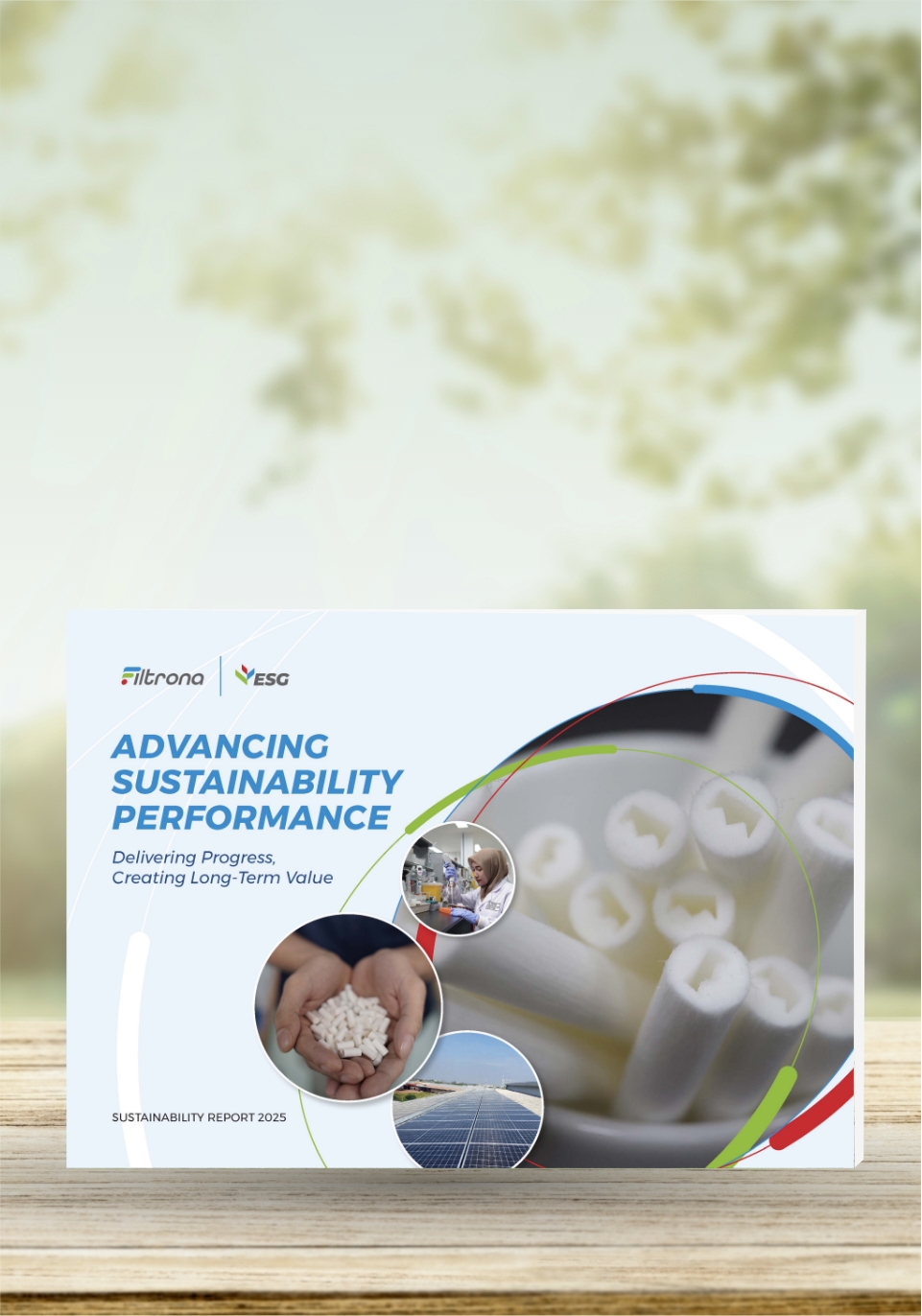
Environmental
Cultivating Environmental Stewardship
Environmental
Our environmental management strategy is designed to tackle pollution, mitigate climate change, and drive sustainability across our operations.
Responsible Waste Management
Responsible waste management is a cornerstone of our environmental strategy at Filtrona. We are dedicated to minimising waste generation through optimised inventory management and production planning, adhering to a waste hierarchy that prioritises reduction, reuse, and recycling. By continuously auditing our waste practices and incorporating circular economy principles, we strive to turn waste into a valuable resource, driving significant reductions in landfill use and advancing towards a more sustainable future.
Energy Efficiency and Carbon Emission Reduction
Energy efficiency and carbon emission reduction are integral to Filtrona’s Vision 2030 ESG strategy. We are committed to cutting our carbon footprint through strategic investments in renewable energy and energy-efficient technologies. Our achievements include significant reductions in energy consumption and CO2 emissions, supported by innovative projects such as solar roof installations and upgrades to energy systems. As we advance towards our Net Zero target by 2050, our approach involves enhancing energy efficiency across all sites, integrating renewable sources, and engaging in continuous dialogue with stakeholders to drive progress in energy transition to decarbonization and overall sustainability.
Sustainable Portfolio
Filtrona is dedicated to evolving our product portfolio to meet the highest standards of sustainability. We focus on developing and offering environmentally responsible products that align with global sustainability trends, including plastic-free and biodegradable options. Our commitment to sustainability is demonstrated through strategic partnerships and innovation in materials, such as non-woven, plastic-free alternatives. By evaluating the entire lifecycle of our products and expanding our ECO Range, we aim to support our customers in making greener choices while advancing our goal of achieving net-zero carbon emissions by 2050.
In FY2025, 88% of Filtrona’s wood-based raw materials were sourced from FSC, PEFC, or equivalent certified or controlled sources, reflecting our responsible sourcing standards applied through a risk-based supplier due diligence approach.
We are dedicated to reducing pollution and combating climate change by enhancing the sustainability of our operations and fostering innovation. By working together with our customers and partners, we are poised to make a substantial environmental impact as we serve customers in 120 countries worldwide.
In FY2025, Filtrona’s Surabaya (Indonesia) manufacturing site achieved ISO 14068-1 Carbon Neutrality certification for Scope 1 and 2 emissions — the first of our sites to reach this milestone, consistent with our target to certify all manufacturing sites by 2040.
Our Approach
Through innovation and partnerships, Filtrona’s sustainability journey is marked by a dynamic shift in product portfolio, a rigorous pursuit of circularity in materials, and reducing CO2 emission.
Outlook
Disciplined execution of the Climate Transition Plan, embedding decarbonisation into capital allocation and procurement decisions
Deepening supplier engagement to accelerate Scope 3 emissions reduction
Scaling renewable electricity procurement toward 100% by 2040
Expanding product carbon footprint analysis across a broader range of filter products
Growing the share of sustainable and plastic-free products toward the 25%-by-2030 target
Strengthening ESG data quality and controls to support ongoing assurance requirements
Effective waste management practices are essential to cut pollution related to our operation and safeguard employees’ health and safety by minimising unnecessary risks. Our goal is to minimise waste generated from our activity, and in a short-term to achieve Zero Waste To Landfill (ZWTL).
Our Approach
By optimising inventory management and production planning, we ensure resources are allocated judiciously, minimising waste right from the start.
Outlook
We aim for better integration of Circular economy concepts in our business practices e.g. raw material optimisation to prevent wastage, improve internal reuse and recycling of materials, engaging stakeholders (suppliers and customers) for materials use.
Finetune performance metrics for waste management and waste tracking & target setting.
Continue to maintain ZWTL practices.
Consider the waste impact in product innovations.
Energy management sits at the heart of our Vision 2030 ESG strategy and informs every aspect of our business planning, recognising its vital role in shaping our environmental footprint and greenhouse gas emissions. By reducing our energy usage and embracing renewable sources, we aim to substantially shrink the carbon footprint of our operations and lessen our contribution to climate change.
Our Approach
From this fundamental understanding, we derive our priorities and a strategic plan for decarbonisation and reducing energy consumption. We have charted an aggressive, long-term course centred on boosting energy efficiency and progressively expanding our renewable energy portfolio. Employing a structured, phased approach, we are committed to advancing steadily towards our environmental targets.
In FY2025, Filtrona formally adopted a Climate Transition Plan, creating a structured pathway to deliver science-based GHG reduction targets across Scope 1, 2, and 3. The Plan is embedded into capital allocation, procurement strategy, and investment decision-making. Full details are in the Filtrona Sustainability Report 2025.
Outlook
Filtrona is dedicated to reaching our Net Zero emission target with plans recognised by the Science Based Targets initiative (SBTi). This key step confirms that the company’s decarbonisation strategy meets rigorous climate science standards. By 2040, we plan to achieve carbon neutrality for Scopes 1 and 2 emissions.
A key aspect of Filtrona’s strategy is Energy transition to decarbonization, which involves transitioning the electricity grid towards less carbon-intensive sources. This shift relies not just on technological advancements but also on sustained dialogue with authorities and energy providers to stay abreast of changes in carbon emission factors.
Filtrona's greenhouse gas reduction targets are validated by the Science Based Targets initiative (SBTi):
• 58% absolute reduction in Scope 1 & 2 emissions by 2030 (from a 2022 baseline)
• 63% absolute reduction in Scope 3 emissions by 2035 (from a 2023 baseline)
• 95% absolute reduction in Scope 1 & 2 emissions by 2040 (from a 2022 baseline)
• 90% absolute reduction in Scope 3 emissions by 2050 (from a 2023 baseline)
• 100% renewable electricity procurement by 2040
The implementation of energy efficiency projects is another cornerstone of our plan. By upgrading HVAC systems and air compressors, we aim to minimise energy loss and maximise efficiency. These practical steps are critical in reducing energy demand and, consequently, greenhouse gas emissions.
Sustainability Report 2025
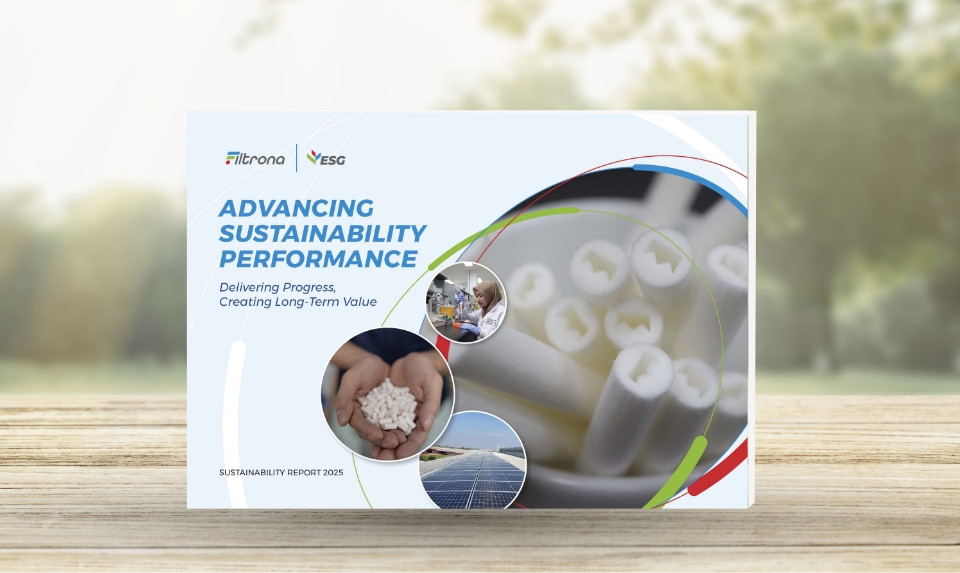
Our 2025 Sustainability Report marks a significant step forward. Going beyond our previous reporting to offer a more complete, transparent picture of how we operate and where we stand on our ESG commitments.
This year’s report introduces broader disclosures across our environmental impact, social performance, and governance practices. We’ve deepened our data coverage, added new metrics, and provided greater context around the progress on our sustainability journey.
To further validate our commitments, the report has been independently assured by SGS under the AA1000 Assurance Standard v3 (Type 2, Moderate Assurance).
Sustainability Report 2024

The Filtrona Sustainability Report 2024 demonstrates our unwavering commitment to sustainable, efficient, and socially responsible business practices.
It serves as a vital communication platform, fostering meaningful engagement with our stakeholders, including employees, customers, investors, regulatory bodies, suppliers, and the broader public.
This report outlines our strategic roadmap for achieving our ESG goals, with clear metrics to monitor the progress on our sustainability journey.